Best Diet for Pilates:
Pilates is not just a workout — it’s a complete mind–body wellness system. You strengthen your core, improve your posture, increase flexibility, and build long, lean muscles.
But…
- What you eat plays a BIG role in how well your body performs these movements.
- Good nutrition improves strength, focus, flexibility, and recovery.
- Wrong eating habits can make you feel heavy, low-energy, or bloated during workouts.
That’s why a Pilates-friendly diet is the secret to glowing skin, better energy, and faster progress — both inside and outside the studio.
This blog will guide you through:
- What diet you should follow for Pilates
- Why nutrition is important
- Pre- and post-workout meals
- Foods to eat & avoid
- Benefits of proper diet
- Simple meal plan & tips
What is a Pilates Diet?
A Pilates diet is not a strict or complicated diet. It’s a simple, clean, and balanced way of fueling your body so you feel:
- Energetic
- Light
- Strong
- Flexible
Pilates exercises involve core strength, breathing control, and mind–body connection, so your diet must support:
- Energy for controlled movements
- Protein for muscle strengthening
- Vitamins & minerals for flexibility and joint health
- Hydration for better breathing and circulation
Why Diet Is Important in Pilates :
Many people believe Pilates can be done with any diet…
But the truth is:
1. Diet gives you energy
Pilates requires slow, controlled movements. Low energy = poor performance + more fatigue.
2. Helps in muscle recovery
Protein-rich diet repairs and builds lean muscles.
3. Prevents bloating & heaviness
Wrong foods make you uncomfortable during exercises like leg raises, roll-downs, or planks.
4. Improves flexibility
Foods rich in electrolytes and hydration help your muscles stretch safely.
5. Boosts immunity
A nutrient-rich diet supports daily recovery and reduces tiredness.
6. Enhances digestion
Pilates + a good diet improves gut health and reduces acidity.
7. Helps maintain healthy weight
You burn calories effectively when your diet supports your exercise.
Best Foods for a Pilates-Friendly Diet :
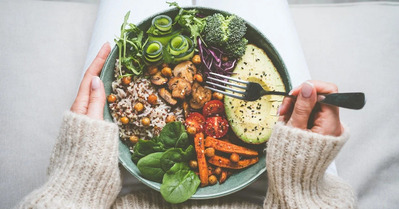
1. Whole grains:
Keeps energy stable.
Examples:Oats, Quinoa, Brown rice ,Multigrain roti
2. Fresh vegetables:
Fiber improves digestion + keeps your stomach light.
Examples: Spinach, Broccoli ,Capsicum ,Carrots, Cucumber, Beetroot
3.Fruits
Perfect for hydration + vitamins.
Examples: Banana, Apple, Orange, Papaya, Watermelon ,Berries.
4. Healthy fats
Good for skin, joints, and core strength.
Examples: Nuts (almonds, walnuts), Seeds (chia, flax), Avocado, Olive oil
5. Plant-based protein
Builds lean, toned muscles.
Examples: Dal, Sprouts, Paneer,Tofu, Chickpeas, Rajma
6. Hydration
Pilates improves breathing — hydration helps the lungs and muscles function perfectly.
Drink: 2–3 liters of water, Coconut water, Lemon water, Buttermilk
How Diet Improves Your Pilates Results
Here’s how a good diet transforms your sessions:
Stronger core
Proteins + good carbs = stronger abs & lower back.
Better flexibility
Hydration + minerals = smooth stretching.
Reduced bloating
Clean food = comfortable movement.
Faster progress
You’ll feel lighter, mindful, and energetic.
Clearer skin + better posture
Healthy meals improve circulation.
Diet + Pilates = A Strong, Healthy You
At Pilates With Kenali, nutrition matters as much as movement.
The right diet helps you:
- Stay light
- Stay flexible
- Stay energetic
- Reduce bloating
- Improve posture
- Build confidence
When diet and Pilates work together, your body becomes stronger from the inside out.
Pilates is a beautiful practice that strengthens your body gently and mindfully.
But to get the best results, your body needs the right fuel.
Clean eating + Pilates =
✔ Better flexibility
✔ Better posture
✔ Faster transformation
✔ Better mood & immunity
Start today — support your workout with the right diet and feel the difference within a few sessions.

