Preparing for pregnancy and becoming a mother bring many physical changes. An appropriate exercise routine can help you stay active and feel more confident as your body adapts. Pilates can be one option, with exercises adjusted to your needs and stage of pregnancy.
Pilates When You Are Planning a Pregnancy
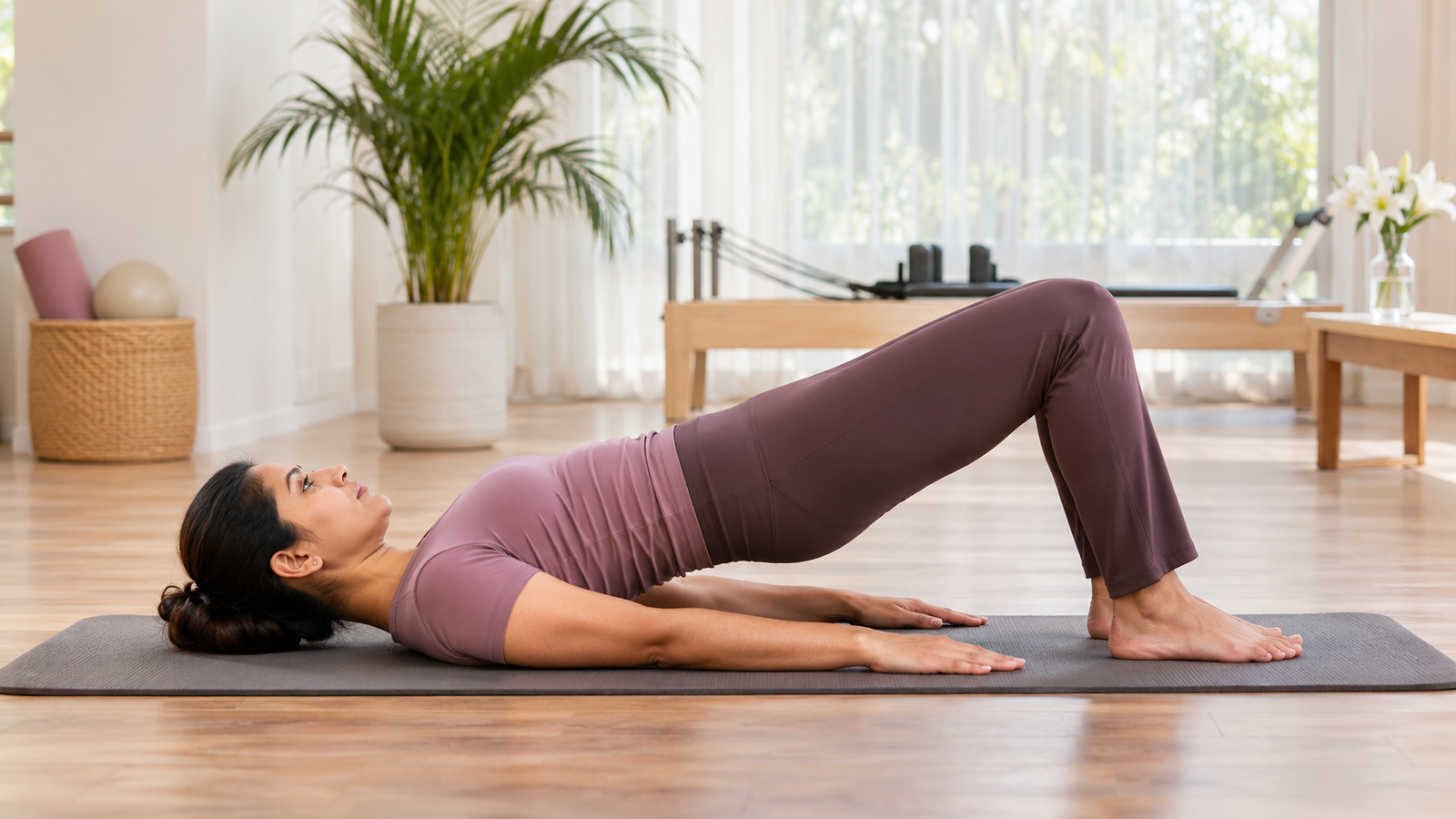
Before pregnancy, Pilates offers a way to work on strength, mobility, balance, and movement awareness. Establishing a comfortable exercise routine can also make physical activity a familiar part of your week.
It is also an opportunity to learn about your pelvic floor—particularly how to contract and fully relax these muscles.
Pilates is not a fertility treatment. There is no established evidence that Pilates or stronger pelvic floor muscles directly increase your chances of conceiving. Its role is to support general fitness and wellbeing while you prepare for pregnancy.
How Pilates Can Help During Pregnancy
Pregnancy-based Pilates is recognised as an exercise option by NHS perinatal physiotherapy services. With appropriate adaptations, it can form part of an active pregnancy.
Helps You Maintain an Exercise Routine
A prenatal Pilates programme can adapt movements to your changing body, comfort, and energy levels. Regular exercise during an uncomplicated pregnancy helps maintain fitness and may reduce back pain. These are benefits of appropriate pregnancy exercise generally, rather than guaranteed results from Pilates alone.
Provides Opportunities to Practise Breathing and Control
Guided sessions can encourage comfortable breathing and controlled movement. The focus should be on working within your ability, without holding your breath, straining, or pushing through discomfort.
Complements Pelvic Floor Training
Pregnancy places additional demands on your pelvic floor. Specific pelvic floor exercises are recommended during pregnancy to help reduce urinary leakage.
An appropriately trained instructor can help you include pelvic floor awareness in your sessions, while a pelvic health physiotherapist can provide an individual exercise programme when needed. Pilates does not replace targeted pelvic floor training.
Practising Safely During Pregnancy
Discuss your exercise plans with your midwife or obstetrician, especially if you have pregnancy complications. Choose an instructor trained in prenatal Pilates and let them know how many weeks pregnant you are.
Exercises need to change as pregnancy progresses. For example, NHS guidance advises avoiding prolonged exercise lying flat on your back, particularly after 16 weeks. Keep the intensity comfortable enough to hold a conversation, and avoid exercising to exhaustion.
If a movement causes pain, leakage, or pelvic heaviness, stop and seek advice about adapting it.
Pilates can offer a supportive space to keep moving before and during pregnancy. The aim is a routine that respects your changing body and helps you feel comfortable, capable, and confident.

